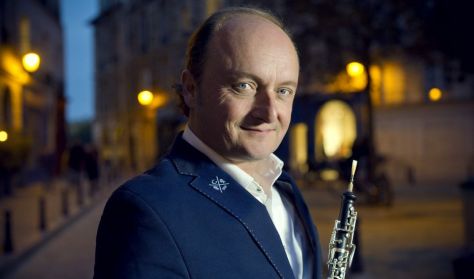
A Ferencsik bérlet összeállítói gondos munkát végeztek: a hangverseny-látogatók a zeneirodalom legnagyobb remekei – Schubert utolsó, „nagy” C-dúr szimfóniája, Schumann II. szimfóniája, Csajkovszkij b-moll zongoraversenye, Haydn Katona-szimfóniája és Mozart c-moll miséje – mellett ritkábban hallható művekkel is megismerkedhetnek, amelyek azonban joggal tarthatnak igényt a hallgatóság érdeklődésére. Elég Cherubini Médeiájának drámai hangvételű nyitányára, Sibeliustól a Kalevala, a végtelen finn erdők és a liguriai tengerpart világát egyszerre megidéző II. szimfóniájára vagy Carl Philipp Emanuel Bach pezsgő frissességű hamburgi szimfóniájára gondolnunk. A felejthetetlen koncertélményeket olyan világsztárok garantálják, mint az oboajáték minden árnyalatát felmutató, karmesterként is kiváló François Leleux, a cselló mesterének számító Perényi Miklós, a berlini Komische Opernek két alkalommal is az év operaháza címet megszerző Nánási Henrik vagy a régi zene egyik ikonikus alakja, Konrad Junghänel. Kívánhatunk-e ennél többet?
Ferencsik bérlet / 1
2021. január 21., csütörtök, 19:30
La favorita
Gioachino Rossini: Tell Vilmos-nyitány
Antonio Pasculli: Versenymű oboára és zenekarra, Donizetti A kegyencnő című operájának egy témája nyomán
***
Franz Schubert: IX. („nagy” C-dúr) szimfónia, D. 944
Nemzeti Filharmonikus Zenekar
Vezényel és oboán közreműködik: François Leleux
A műsor első száma Gioachino Rossini utolsó, 1829-ben komponált operájának nyitánya, mely a mű négy fontos témáját idézi meg: a csellón megszólaló idilli dallamot a kitörő vihar megjelenítése követi, az angolkürtön felhangzó pásztordal után pedig a csatába vágtató lovak dobogását halljuk.
A koncert második darabját Antonio Pasculli, „az oboa Paganinije” jegyzi. Versenyműve kivételesen nehéz oboaszólamában François Leleux, az est karmestere és egyben szólistája megmutathatja páratlan virtuozitását, könnyedségét és eleganciáját, ami a szerző méltó utódjává teszi.
A második részben Franz Schubert kimagasló remekét, utolsó, 1825-ben keletkezett grandiózus szimfóniáját hallhatjuk, amelyet korábban tévesen egyik kései,1828-ban írott alkotásának tartottak. Az újabb kutatási eredmények azonban sikeresen azonosították az elveszettnek hitt „Gmunden-gasteini” szimfóniával. A komponista bátyjának, Ferdinand Schubertnek köszönhető, hogy a szerzője életében soha el nem hangzott művet felébresztették Csipkerózsika-álmából: az 1838–39-ben Bécsben időző Robert Schumann-nak hívta fel rá figyelmét, aki 1840-ben megjelentette. Az ismeretlenségből előbukkant érték Felix Mendelssohn-Bartholdy érdeklődését is felkeltette, aki még 1839-ben bemutatta Lipcsében. Schumann így méltatta a darabot: „Ebben a szimfóniában több van, mint szép dalolás, több, mint az a fájdalom és öröm, amelyet a muzsika már ezerféleképpen kifejezett. Ez a zene olyan régiókba vezet el minket, ahol emlékezetünk szerint még sohasem jártunk…”