Kobayashi season ticket / 2
Thursday, 14 January 2021, 7:30 pm
My Homeland
Bedřich Smetana: Má vlast (My Homeland) – excerpts
***
Leoš Janáček: Glagolitic Mass for solo voices, two choirs, orchestra and organ
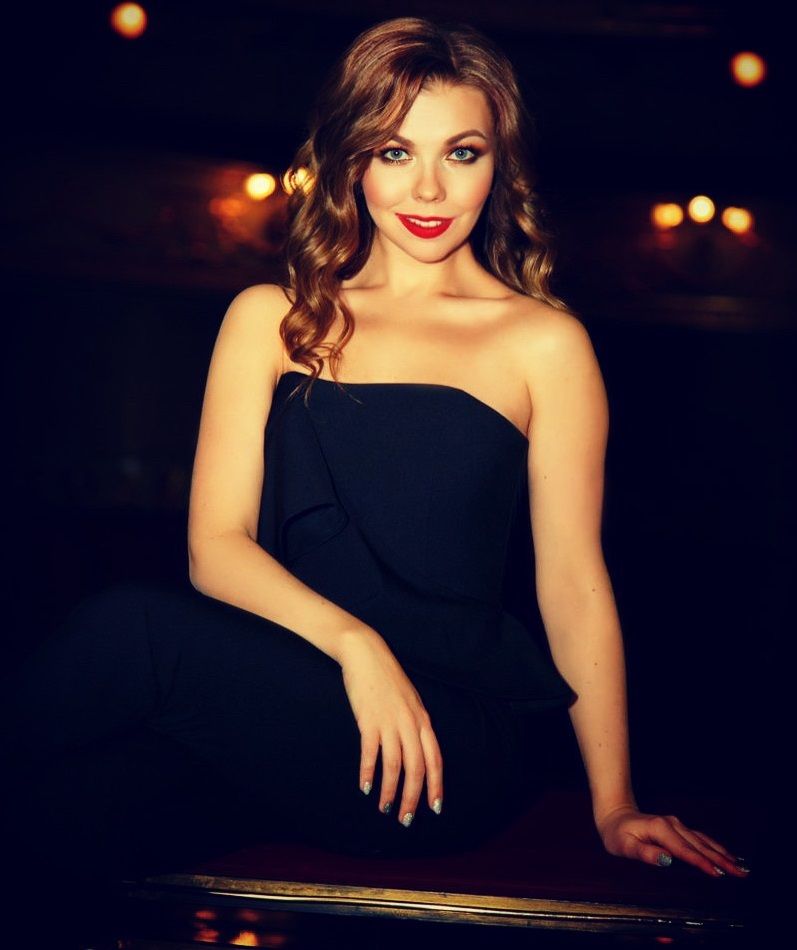
Olga Tenyakova soprano
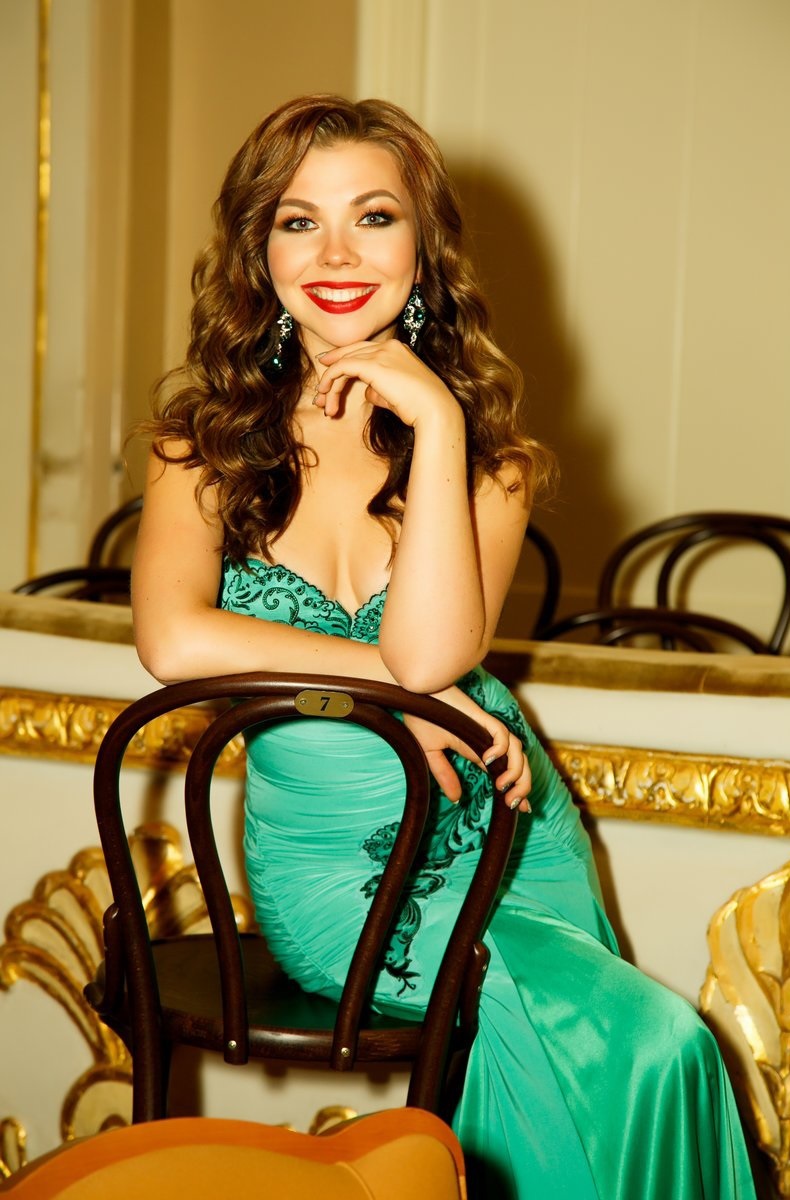
Andrea Meláth alto
Ludovit Ludha tenor
Miklós Sebestyén bass
Ágoston Tóka organ
Hungarian National Choir (choirmaster: Csaba Somos)
Hungarian National Philharmonic Orchestra
Conductor: Oliver von Dohnányi
How much do we know about Czech music? Many people would answer this question with a confident "a lot", citing Dvořák's Cello Competition and New World Symphony – along with the Vltava movement from Smetena's cycle of symphonic poems Má vlast. The fact is, however, that many pieces of Czech music are rarely or never heard in concerts in Hungary. This exciting concert offers some remedies for this situation, offering more of Smetana's cycle besides Vltava, as well as Janáček's rarely heard Glagolitic (Old Slavic) mass.
The nationalist movements that evolved among smaller ethnic groups in Europe in the 19th century resulted in patriotic-spirited works in most of the branches of the arts, including literature, the fine arts and music. One such effort was Bedřich Smetana's cycle of symphonic poems, Má vlast. Between 1874 and 1879, the composer wrote six independent orchestral works, of which Vltava, named after the river that flows through Prague and much of the rest of the country, became the most famous. Born in Moravia, Leoš Janáček was an enthusiastic supporter of the Pan-Slavic movement, and these sympathies were in part what prompted him to write his Glagolitic Mass in Old Church Slavonic. His work's most characteristic feature is the mixture of both archaic and modern elements. With the Hungarian National Philharmonic Orchestra, Hungarian National Choir and Hungarian and Czech soloist playing the two compositions under the baton of Oliver von Dohnányi, there will be a conductor who is well versed in the Czech repertoire on the podium. Born in 1955 and currently music director of Yekaterinburg's Ural Opera and Ballet Theatre, von Dohnányi is descended from a sibling of an 18th-century ancestor of Ernst von Dohnányi. He studied under Václav Neumann at the Academy of Performing Arts in Prague and under Otmar Suitner at the University of Music and Perform Arts Vienna.